
Introduction
The world of retail and e-commerce is evolving at a rapid pace. Where accounting used to mean: piles of receipts, manual spreadsheets, and hours of data entry, entrepreneurs today face a completely new reality: intelligent systems that can reconcile accounts, detect discrepancies, and even predict future cash flow — all without human intervention.
For retailers, e-commerce companies, and dropshippers, this shift is not just a matter of convenience. It is a fundamental transformation in the way financial data is managed. Every order, refund, and cross-border transaction leaves a digital footprint. Managing this data has always been a challenge — but now automation and artificial intelligence (AI) make it possible to convert that flow of information into reliable, real-time insights.
Governments and regulators are also accelerating this shift. Just as the EU reforms for "VAT in the digital age" encourage businesses to adopt e-invoicing and digital reporting, accounting technology makes compliance faster and more transparent. What used to take weeks of manual work can now be completed in just a few minutes.
In this article, we explore how AI and automation are reshaping retail accounting. We examine what is changing, the benefits and risks it brings, and — above all — what retail entrepreneurs need to do today to stay ahead. For in the competitive market of tomorrow, accounting is not just about keeping the numbers in order, but about strategically leveraging data to grow your business.

1. Van spreadsheets naar slimme systemen
Decennialang volgde de detailhandel boekhouding een voorspelbaar patroon: facturen werden handmatig ingevoerd, bonnetjes werden opgeborgen in mappen, en accountants brachten lange avonden door met het reconciliëren van bankafschriften regel voor regel. Toen kwamen de spreadsheets, die de boekhouding revolutioneerden. Tools zoals Excel stelden ondernemers in staat om transacties efficiënter te organiseren, maar het proces bleef sterk afhankelijk van handmatige invoer en menselijke controle. Fouten bleven veelvoorkomend, en opschalen betekende meer personeel aannemen in plaats van slimmer te werken.
The rise of cloud accounting marked the next major leap forward. Platforms like Xero, QuickBooks, and Odoo enabled entrepreneurs to store and access financial data anywhere. Suddenly, a small online store in Amsterdam could manage its accounts as smoothly as a multinational retailer. Integration with payment gateways, e-commerce platforms, and banks brought greater speed and convenience, but these systems remained reliant on human input and verification.
Today, we're entering a new era: smart systems powered by automation and AI. Instead of typing invoice numbers, algorithms can scan, recognize, and record them in seconds. Instead of manually matching transactions, reconciliation engines can automatically match sales and payments. And instead of simply looking at past performance, predictive tools can estimate cash flow, identify risks, and even suggest optimal pricing strategies.
For entrepreneurs, this shift isn't just about reducing time and costs. It's changing the very essence of accounting. Financial administration is no longer a passive record of past events, but is evolving into an active driver of decision-making. Smart systems transform figures into insights, enabling retail and e-commerce companies to react faster, scale smarter, and compete more effectively in a global digital economy.
2. How AI and automation work in accounting
Artificial intelligence (AI) and automation may sound futuristic, but in accounting, they're already part of daily business operations. Instead of viewing AI as robots or science fiction, entrepreneurs should consider it a set of technologies that make financial administration faster, smarter, and less prone to errors.
At the core of these tools are three innovations:
Optical Character Recognition (OCR): This technology scans invoices, receipts, and bank statements and automatically extracts the relevant data. No more manual typing—the system reads and records the numbers instantly.
Machine Learning (ML): By analyzing patterns in thousands of past transactions, ML algorithms learn to recognize recurring charges, flag unusual activity, and even predict cash flow trends.
Predictive Analytics: Going one step further — AI not only records what has already happened, but also predicts what could happen. For example, the system can warn you that next month's VAT payment coincides with a seasonal drop in sales, giving you time to adjust.
These technologies don’t work in isolation, but are built into modern accounting platforms like Odoo, QuickBooks, or Xero, which connect directly with e-commerce systems like Shopify or WooCommerce. This means that every sale, return, and refund is processed directly into the accounting system — with minimal human intervention.
The real advantage is speed combined with reliability. Instead of waiting weeks to gain insight into your company's financial position, you always have access to up-to-date information. This is especially crucial for retail and dropshipping businesses, where transaction speeds are high and margins are often razor-thin.
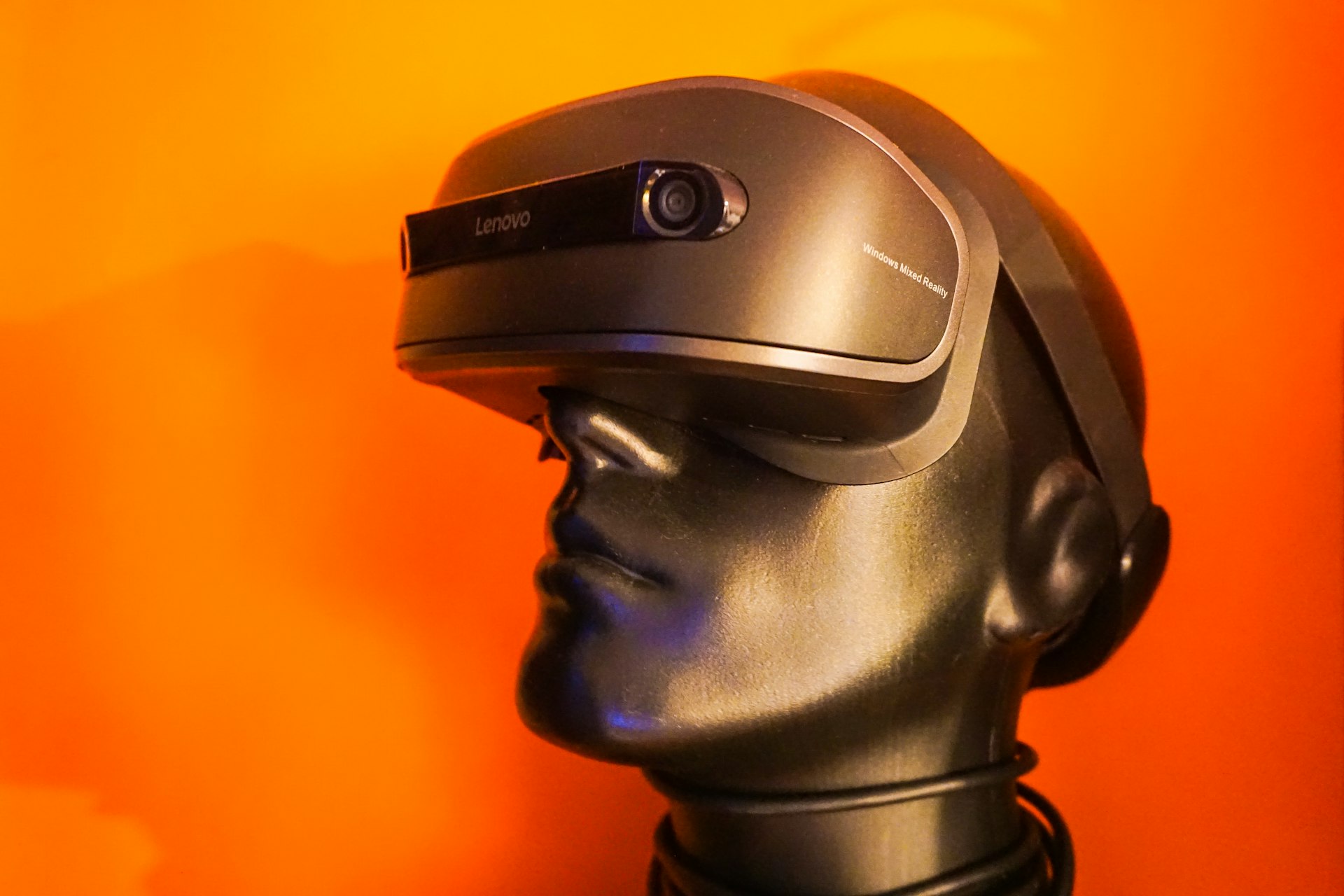
" Automation in accounting isn't about fewer people — it's about more clarity, speed, and control. "
3. What does this mean for your business administration?
For businesses in retail, e-commerce, and dropshipping, AI and automation are more than just buzzwords—they're practical tools that can transform daily operations. Accounting, once a back-office task, is now becoming a strategic asset .
First, automation creates efficiency . Instead of spending hours uploading invoices or reconciling bank transactions, smart systems perform these tasks in seconds. This frees up business owners to focus on growth, marketing, or customer experience—the areas that directly impact revenue.
Secondly, it improves accuracy and compliance . Errors in VAT returns or late tax filings can be costly. Automated systems reduce the risk of human error, while AI-driven checks ensure every transaction is correctly categorized. For businesses selling across borders, this means smoother compliance with EU rules, such as the upcoming VAT reforms in the Digital Age (ViDA).
Third, smart accounting enables scalability . Whether you process 50 orders a week or 5,000 a day, automated systems can handle this volume without requiring a larger accounting team. This is especially valuable for dropshippers and fast-growing e-commerce stores, where transaction volumes can spike overnight.
Finally, AI offers real-time insights . Instead of looking back at last quarter's figures, entrepreneurs can instantly track sales trends, cash flow forecasts, and spending patterns. This means faster decisions—such as adjusting prices, launching promotions, or negotiating with suppliers—all supported by live financial data .
4. Challenges and risks you should know about
While AI and automation offer enormous benefits, they are not without challenges. It's important for entrepreneurs to understand both the opportunities and the risks before fully transitioning to digital accounting.
1. Data security and privacy
Every automated accounting solution handles sensitive financial data. Storing this data in the cloud makes processes more efficient, but also introduces risks. Therefore, companies should choose reliable software providers that guarantee strong security measures, encryption, and GDPR compliance to protect customer and financial information.
2. Dependence on software vendors
Automation often means your business becomes heavily reliant on a single, specific software provider. If this provider raises prices, changes features, or experiences technical issues, it can disrupt your accounting. Careful vendor selection and a backup plan are therefore essential.
3. Complexity of regulations
While automation reduces human error, tax regulations remain complex. Consider European reforms like ViDA (VAT in the Digital Age) —systems can help, but they must be configured correctly. Blindly trusting software can lead to errors if it's not configured correctly.
4. Human transition and training
Employees accustomed to traditional accounting methods may resist digital tools. Training is essential, not only for working with new systems but also for correctly interpreting the insights they generate. The role of an accountant is shifting from data entry to data analysis and advice , and that requires new skills and a different mindset.
In short: automation is powerful, but not a panacea. Entrepreneurs who want to remain successful must combine the speed of technology with human control and insight.
5. Practical examples and statistics
To better understand the impact of automation and artificial intelligence (AI) on accounting, it's important to look at what's already happening in practice. Major consulting firms and financial institutions have conducted extensive research into the future of accounting processes in recent years—and the numbers speak for themselves.
According to PwC's "Finance Function of the Future" report , up to 45% of accounting tasks can be automated using existing technology. Think of invoice processing, bank reconciliation, and VAT returns. These processes, which used to take days, can now be completed in minutes.
In its "Future of Finance 2024" study, KPMG emphasizes that companies that implement automation deliver financial reports 30% faster on average and achieve up to 25% lower operating costs . This results in enormous efficiency gains, particularly in e-commerce and retail, where transaction density is high.
McKinsey & Company also confirms the trend. Their analysis shows that AI can take over up to 70% of repetitive administrative tasks , while human employees focus on strategic and advisory work. Instead of entering data, accountants help entrepreneurs translate insights into action: optimizing pricing strategies, predicting cash flow, and mitigating risks.
A good example is a medium-sized online store that switched to an AI-driven accounting system integrated with its e-commerce platform. What used to take four days for month-end closing has now been reduced to just four hours. Moreover, the system automatically detects anomalous transactions, allowing errors and fraud to be detected more quickly.
The message is clear: automation is no longer a pipe dream, but a daily reality. Businesses who invest in smart accounting processes now will not only create efficiency but also a significant competitive advantage.


6. The human side of automation
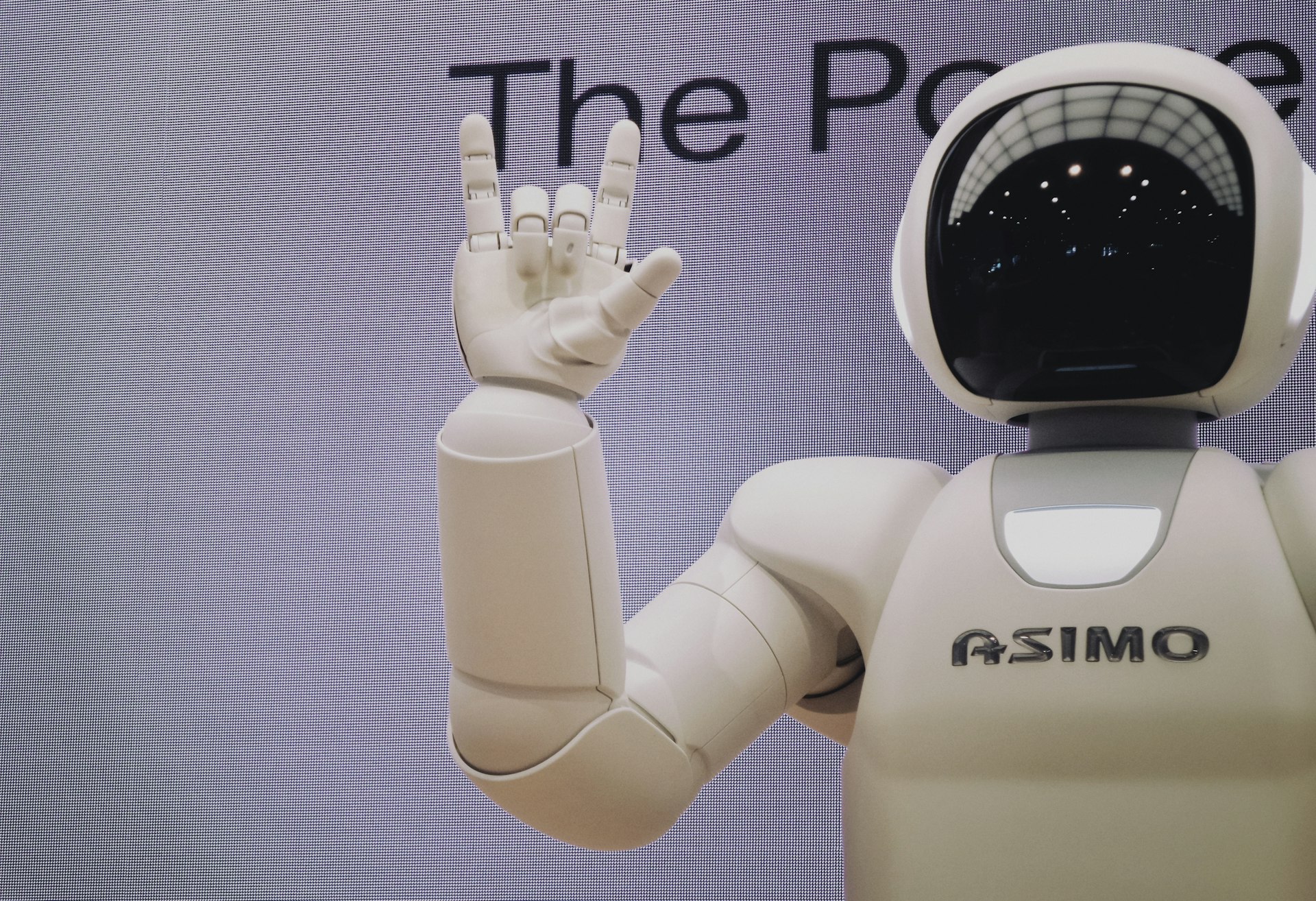
Whenever people talk about automation, the same question comes up: “Will accountants disappear?” The short answer is no — but their role is changing dramatically.
Automation replaces repetitive, manual tasks, not human insight. While AI can process thousands of transactions per second, it doesn't understand the underlying business context. That's where human expertise remains indispensable. Accountants and financial administrators are increasingly evolving into data analysts and business advisors —professionals who combine financial knowledge with digital skills.
Instead of spending hours entering invoices, accountants of the future will focus on analyzing trends, advising clients, and identifying opportunities for growth or cost savings. An automated system might signal a drop in profits, for example, but only a human would understand why —perhaps due to rising supplier costs, seasonal influences, or pricing strategies.
Demand for this hybrid profile —a combination of financial, analytical, and technological expertise—is growing rapidly. According to PwC, by 2030, most finance departments will be staffed by professionals who can manage AI systems, interpret data, and translate insights into clear advice.
At Bizolve, we see this shift every day. Automation doesn't make accountants redundant—it actually makes them more valuable . By eliminating repetitive tasks, professionals are freed up to do what they're truly good at: thinking strategically, solving problems, and helping entrepreneurs grow.
7. Action Plan: How Can You Prepare Now?
Implementing AI and automation in accounting doesn't have to be overwhelming. The key lies in a structured approach—small, well-considered steps that transform your accounting, step by step. Here's how retail and e-commerce entrepreneurs can get started today:
1. Switch to a cloud-based accounting system
Still using Excel files or local storage? Then migrate to a cloud solution like Odoo, Exact Online, or QuickBooks . These systems offer real-time access, automatic backups, and integrations with e-commerce platforms like Shopify or WooCommerce .
2. Automate the repetitive tasks first
Start with simple automations—invoice scanning, bank reconciliation, or VAT returns. These are accessible processes that immediately save time and reduce the risk of errors.
3. Integrate your systems
Connect your online store, payment provider, and accounting software. When sales data flows automatically between platforms, manual entry and reporting inconsistencies disappear .
4. Invest in training
Technology is only as good as the people who use it. Make sure your team understands how the software works and how to interpret the insights.
5. Collaborate with experts
Partnering with an experienced accounting and consulting firm —like Bizolve—ensures a smooth and effective transition. Experts assist with setup, automation, and compliance with EU tax regulations.
6. Keep measuring and improving
Automation isn't a one-time project, but an ongoing process. Regularly evaluate your workflows, check the accuracy of AI processes, and adapt them as your business grows.
Entrepreneurs who take action now will gain more than just efficiency — they will build a future-proof financial foundation for tomorrow's retail.
8. The Future – 2030 and Beyond
In the coming years, automation in accounting will not only become faster but also smarter. While today we primarily automate tasks, by 2030 systems will be proactive, predictive, and advising . The accounting of the future will no longer be reactive—it will become predictive and strategic .
Predictive accounting
Thanks to AI and data analytics, companies are increasingly able to predict how their cash flows will develop. Think of systems that automatically signal when a liquidity shortage is imminent, or that predict which months are most profitable based on sales data, seasonal influences, and customer behavior. This enables planning ahead and making financial decisions before problems arise.
Real-time tax reporting
Governments, including the European Union, are currently working on initiatives like VAT in the Digital Age (ViDA) , which will enable VAT reporting in real time. This means that accounting systems will be directly linked to tax authorities. For businesses, this will lead to less paperwork, faster refunds, an d greater transparency—but also to a greater need for well-integrated, reliable accounting software.
Human-machine collaboration
The future of financial administration isn't about human versus machine, but about both human and machine . While AI focuses on speed and precision, humans remain responsible for interpretation, strategy, and decision-making. The successful enterprise of 2030 will seamlessly combine these two worlds.
The role of consultancy firms
Administrative and advisory firms like Bizolve will play a crucial role in this new reality. Not only in implementing systems, but especially in guiding entrepreneurs in translating data into strategy. Technology is just a tool—the real difference comes from people who understand how to leverage data to achieve growth.
8. Conclusion
Artificial intelligence and automation are no longer a distant prospect—they're already transforming the way retail and e-commerce companies manage their finances. What once required hours of manual work and countless spreadsheets is now handled by smart systems that learn, predict, and advise.
For entrepreneurs, this change isn't a threat, but an opportunity. Automation doesn't take away the human element; it empowers them. It gives accountants, administrators, and entrepreneurs the freedom to focus on what truly matters: gaining insight into their figures, identifying growth opportunities, and strategically managing the business.
The future of accounting isn't about replacing people with machines, but about empowering them with technology . Businesses who invest in smart systems now will soon benefit from faster reporting, better decision-making, and stronger compliance with increasingly digital laws and regulations.
At Bizolve, we believe that entrepreneurs who adapt today will be the leaders of their industries tomorrow. Combining human insight and digital intelligence forms the foundation of a future-proof business.